Introduction
Memorising the Quran, known as Hifz, is one of the greatest achievements a Muslim can reach. The person who memorises the Quran carries the words of Allah in their heart, and the reward for this effort is immense. But Hifz is also a journey that needs a clear method, a patient teacher, and steady daily effort.
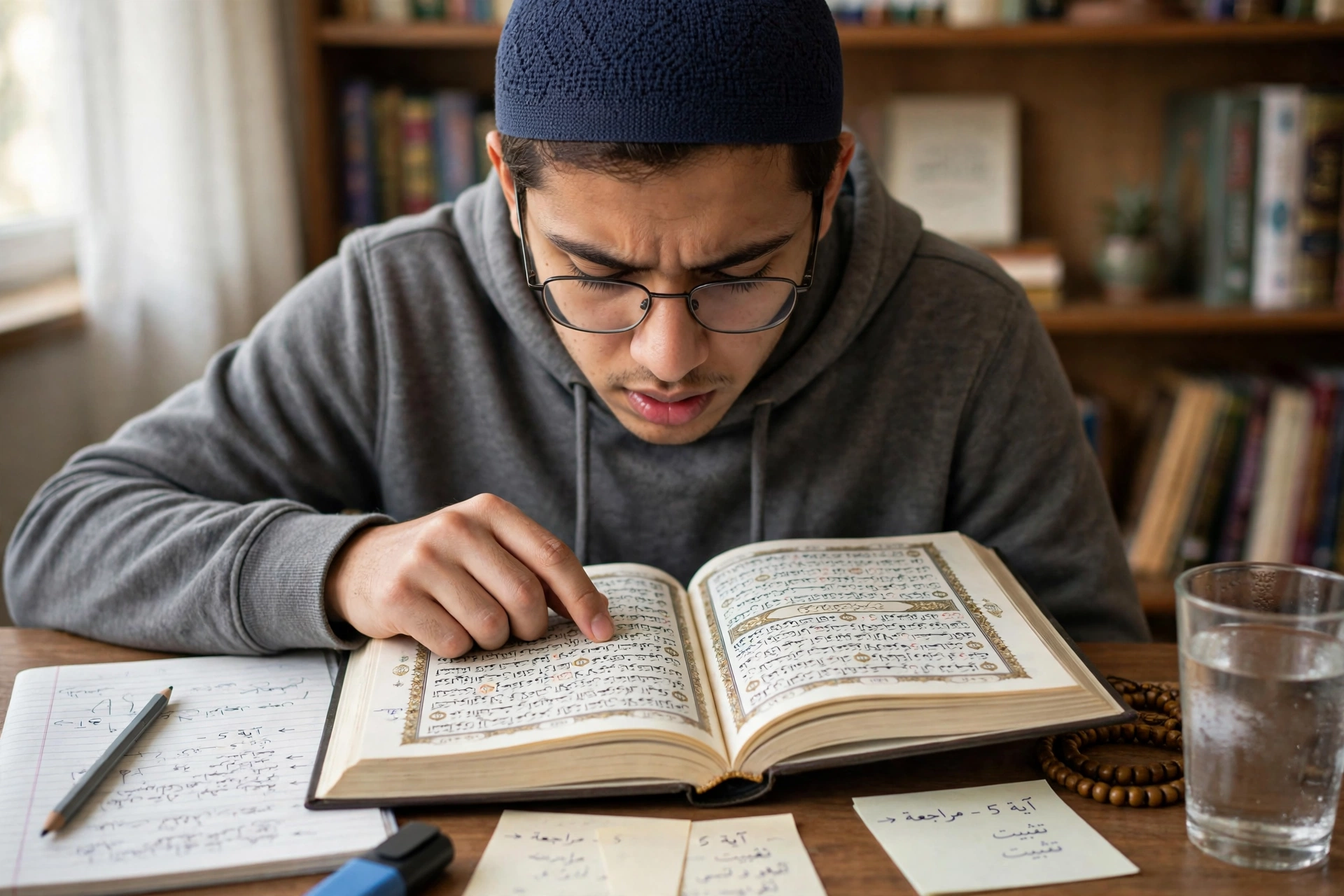
This guide explains how Hifz works, step by step, for kids and adults, and how one to one online classes can support you all the way.
What Hifz means
Hifz means to memorise the entire Quran, all 114 chapters, from the first verse of Surah Al-Fatiha to the last verse of Surah An-Nas. A person who has done this is called a Hafiz. Many students memorise a part of the Quran, such as the last Juz, or the surahs they recite in prayer, and that too is a great achievement. You do not need to memorise the whole Quran to benefit from Hifz: every verse you memorise stays with you for life.
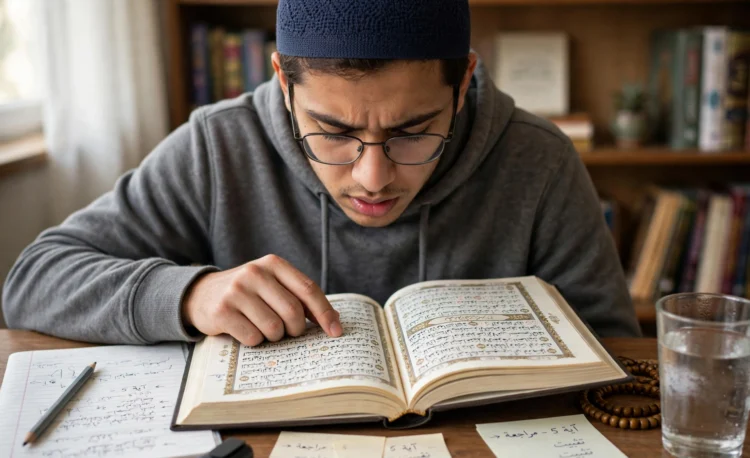
Before starting Hifz, a student should be able to read the Quran fluently with Tajweed. Reading correctly comes first, because memorising with mistakes means memorising the mistakes. A tutor will check your reading and Tajweed before you begin, and will keep correcting your recitation as you memorise.

The daily method: Sabaq, Sabqi and Manzil
Traditional Hifz teaching uses three parts every day, and this method has worked for centuries.
Sabaq is the new lesson: a small portion memorised for the first time, often a few lines or half a page for a beginner, growing as the student improves. The student reads it many times, then recites it from memory to the tutor, who corrects every mistake at once.
Sabqi is the recent revision: the lessons from the last few days or weeks, recited again so they stay fresh. Without Sabqi, new lessons push out the old ones, and the student forgets what was learned last week.
Manzil is the old revision: a larger portion from earlier in the Quran, recited regularly so the whole memorised part stays strong. A Hafiz who revises Manzil every day keeps the entire Quran in memory for life.
A typical daily routine is: recite Manzil first, then Sabqi, then learn the new Sabaq, then recite the new Sabaq to the tutor. The whole session may take an hour, and the student also practises alone during the day.
How much to memorise each day
Beginners should start small: a few lines a day, or half a page. As memory grows stronger, the daily portion can grow to a page or more. The right amount is the amount you can memorise well, with correct Tajweed, and still revise the next day. Memorising too much too fast leads to weak memory and frustration.
Children often memorise faster than adults, because their memory is fresh and they have fewer distractions. Adults memorise more slowly, but they understand what they read, which helps memory too. There is no fixed time to finish Hifz: some students finish in two years, some in five, and both are fine. The goal is strong, lasting memorisation, not speed.
Revision is the key
Every Hifz teacher will tell you the same thing: revision matters more than new lessons. A student who memorises a page a day but never revises will forget it within weeks. A student who memorises half a page a day and revises every day will keep it for life.
Build revision into your daily routine. Recite your Manzil in prayer, listen to your Sabqi while walking or travelling, and recite to a family member or a friend. The more you use what you memorised, the stronger it becomes.
How online classes support Hifz
One to one online classes are ideal for Hifz. The tutor listens to your Sabaq every day, corrects mistakes at once, sets the right daily portion for your level, and keeps a record of your Sabqi and Manzil. The tutor also keeps you motivated on days when the work feels hard, and adjusts the pace when life gets busy.
Online classes are flexible, so Hifz can fit around school, work and family. A student can have a lesson early in the morning, before school or work, and revise during the day. Parents can listen to their child’s lesson and follow the progress.

Donate Now
Tips for Hifz students
Start the day with the Quran, when the mind is fresh. Memorise in a quiet place, with the same copy of the Mushaf every day, so your memory links the words to the page. Read the new portion many times before trying to recite it from memory. Understand the meaning of what you memorise, even briefly, as meaning helps memory. Eat well, sleep well, and be patient with yourself: some days are harder than others, and that is normal.
Make dua for your Hifz. The Quran is a gift from Allah, and asking Him for help is part of the journey.
A Hadith to remember
The Prophet Muhammad, peace be upon him, said: “Read the Quran, for it will come as an intercessor for its companions on the Day of Resurrection.” (Sahih Muslim)
This hadith tells us that the Quran will speak for those who read it and memorise it. The effort you put into Hifz today will be your companion and your intercessor on the Day when you need it most.
Conclusion
Hifz is a journey of small daily steps: a new Sabaq, a careful Sabqi, and a faithful Manzil, day after day, with a teacher who guides you and corrects you. Start small, revise every day, and be patient. With Allah’s help, the Quran will settle in your heart, verse by verse.
To begin your Hifz journey with a qualified tutor, contact Madina Quran on WhatsApp, IMO or Skype at +923006264166. Learn anywhere, anytime, and start your Quran journey now.
Support Madrasa Anas Bin Malik
Madrasa Anas Bin Malik needs your support. Your donation helps the madrasa teach the Quran to children and adults. To donate, or to ask how your donation will be used, contact Madina Quran on WhatsApp, IMO or Skype at +923006264166. You can donate through PayPal at vehari566@gmail.com, or by scanning the QR code below to donate through the TRC20 wallet. Every donation is voluntary, and keeping your payment receipt is a good idea. To learn more about the madrasa and how donations are used, visit the Donate page on this site. Thank you for supporting Quran education.
Donate Now
Frequently asked questions
How long does it take to memorise the whole Quran?
It varies. With a steady daily portion and regular revision, many students finish in two to five years. The goal is strong, lasting memorisation, not speed.
Do I need to read fluently before starting Hifz?
Yes. Fluent reading with correct Tajweed comes first, because you should memorise the Quran correctly from the start. Your tutor will check your reading before you begin Hifz.
How much should I memorise each day?
Start small, a few lines or half a page a day, and grow as your memory strengthens. The right amount is what you can memorise well and still revise the next day.
What is Sabqi and Manzil?
Sabqi is the revision of recent lessons, and Manzil is the revision of older portions. Both are recited every day so that nothing you memorised is forgotten.
Can I do Hifz online?
Yes. One to one online classes are ideal for Hifz: the tutor listens to your lesson daily, corrects mistakes at once, and sets your pace. Contact Madina Quran on WhatsApp, IMO or Skype at +923006264166.